Psychology is the third most popular major at UW–Madison—and for good reason. It prepares students to make a meaningful impact not only in familiar roles like psychologists and mental health therapists, but also in less obvious careers, from government leadership to school administration. Across Wisconsin, psychology alumni are using their training to strengthen communities in diverse and inspiring ways. Their work is improving lives, shaping policy, and advancing well-being across the state—making a tangible difference for Wisconsin’s people and communities. Meet some of these outstanding alumni here:
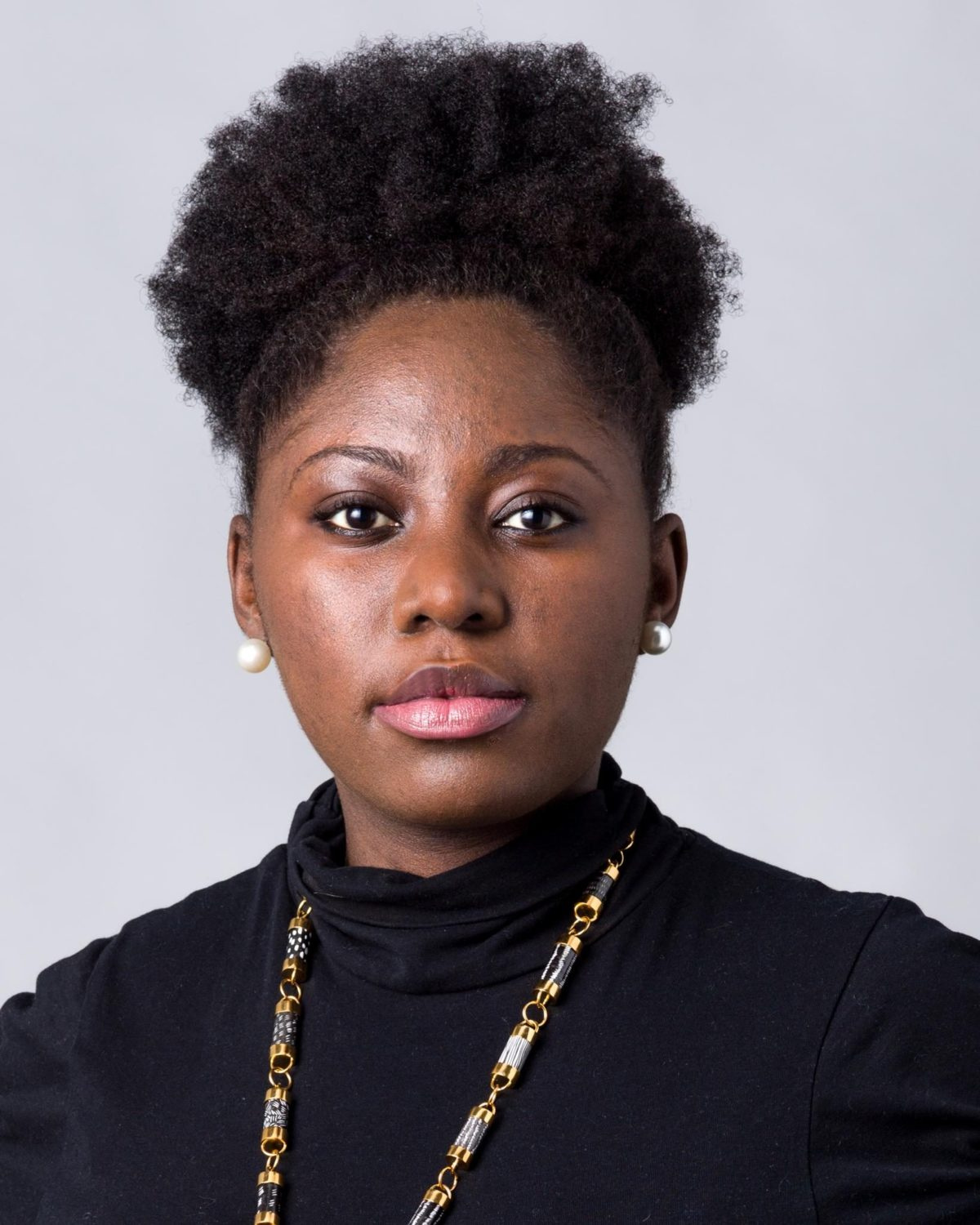 Linda Vakunta ‘09 | Deputy Mayor of the City of Madison
“Cities are not just maps of roads and buildings; they are interconnected human systems. A housing policy, for example, isn’t just about construction; it affects mental health, educational outcomes, and community safety. My psychology background has been useful in approaching things with a big picture mindset. Instead of focusing on just individual capacity, I take a root cause analysis/systems approach to understand environmental drivers that affect human behavior and livelihood. This allows for the design of more sustainable, long-term interventions.”
 Jennifer Hobart, ‘99 | Attorney, Sturgeon Bay
“One challenge in my career in family law is setting reasonable expectations for clients and educating them about the value of settlement versus litigation. In family law, there is often an emotional component to cases that can impede resolution. My training in psychology has given me insight into decision-making and information processing that has helped me assist clients in accepting certain life situations, managing outcome expectations, and negotiating settlements to yield the best results given their unique factual circumstances.
“Also, my degree in psychology has provided good material for story time in my household. One of my favorites to share is my Experimental Psychology experiment about ‘close talkers’ that I conducted at the intersection of Park and University. Ask one of my 4 sons- they will tell you all about it!”
 Angelina Bartel ‘16 | Mental Health Therapist and Equine-Assisted Psychotherapist, Greenville
“In my own experience, one of the biggest challenges in my career field is imposter syndrome. It’s difficult to feel confident in what you know and what you have practiced diligently during your advanced education. There are always clinicians who have more experience (or different experience) than you and that can feel intimidating. While not so much anymore, I frequently found myself asking questions such as ‘Did I say the right/wrong thing?’ ‘Can I do something better?’ ‘Am I missing something?’ ‘Am I in the right field?’ My advice would be to mix up the type of coursework you take and take that coursework seriously; the courses offered in a psychology degree are, without a doubt, the foundation you build off of in your advanced education, should you so choose that path.”
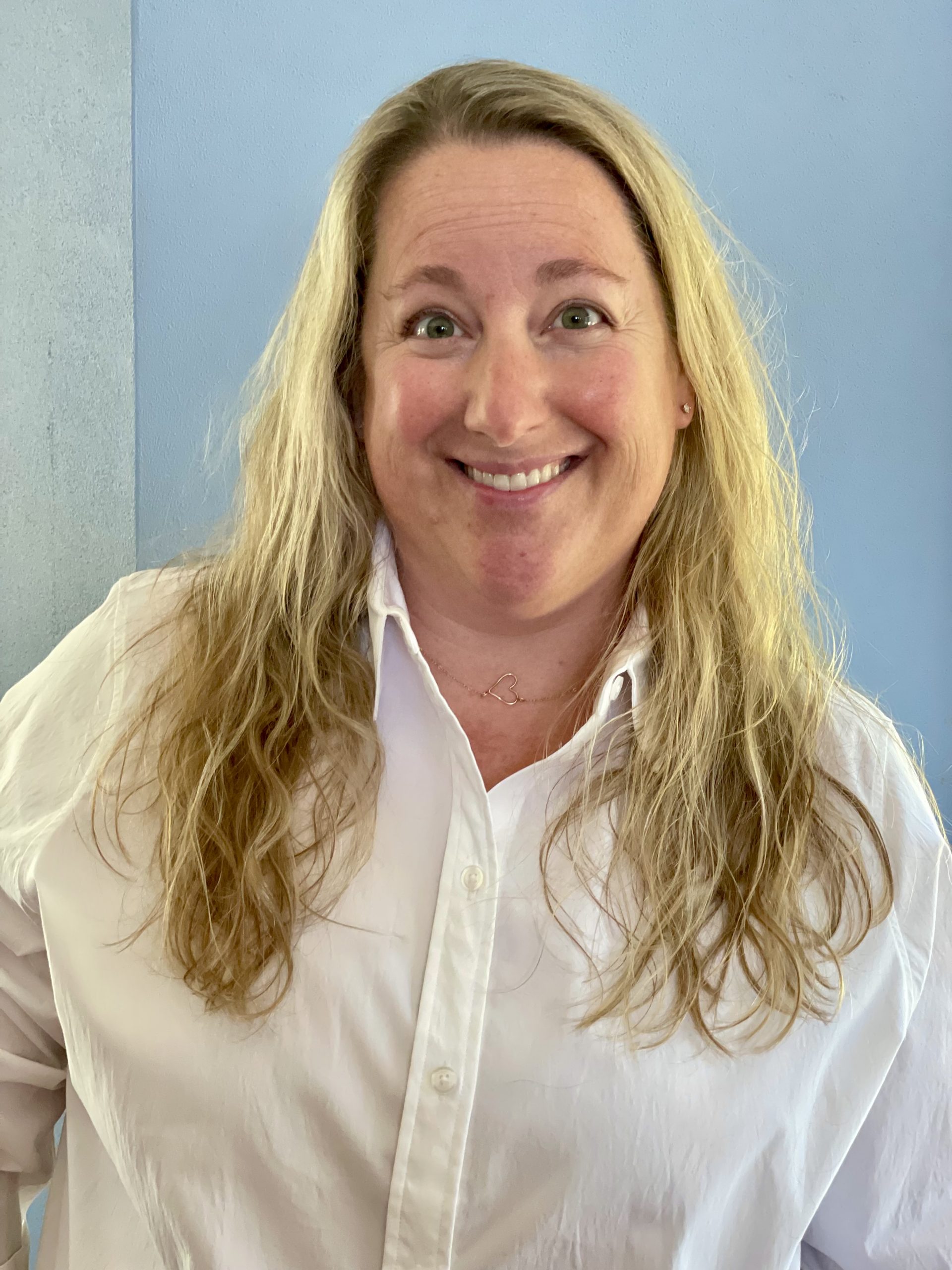 Holly Briquelet Miller ‘97 | Licensed Mental Health Counselor, Wausau
“One of the biggest benefits of my training in psychology was my strong foundation in critical thinking related to the interplay between theoretical knowledge and the constantly evolving ongoing research on evidence-based practices that are vital to mental health treatment. My strong understanding of the research process and ability to conduct comprehensive literature reviews was an advantage during my time at Northwestern [for my graduate degree] and helped balance out the learning curve I faced in navigating the drastically different academic landscape due to all of the changes in technology since the mid ‘90s. I also relied on the spirit of intellectual curiosity and collaboration that was a hallmark of my time in the Psychology department at UW-Madison.
“I worked in the research lab under Dr. Devine during my undergraduate years, and that experience continues to have a positive impact on me both professionally and personally all these years later. Being a part of social psychology research on prejudice and internal and external bias shaped my worldview, and fosters my ability to seek ongoing opportunities to learn and evolve as needed as I continue to strive for cultural competency as a counselor. As a research team, we came together every Friday to discuss updates to the research and explore ideas together, and those conversations during my undergraduate years stoked my desire for professional collaboration and intellectual debate within my career.”
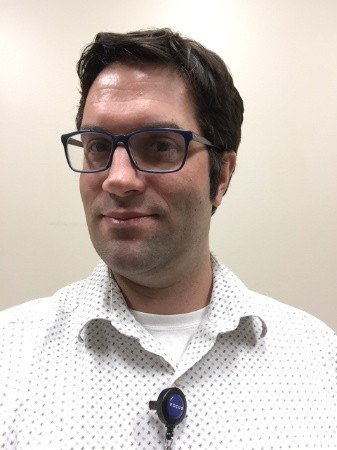 Rick Dahl ‘98 | Manager, Hospital Elder Life Program and Site Coordinator, ENHANCE study at Unity Point Health Meriter, Madison
“My UW Psychology education prepared me to understand developmental changes, languages and communication difficulties and strategies, and gave me a great framework for understanding motivational behavior in wellness attitudes, participation in therapeutic activities, and barriers and desires to participate in altruistic endeavors such as supporting research to improve wellbeing.
“Psychology of Language and Abnormal Psychology in particular have been very valuable in my understanding of Behavioral and Psychological symptoms related to individuals with dementia and individuals. Psychometric Methods and Research Psychology have provided benefits in critical thinking in reviewing research and health information. They have also been valuable in providing a background to evaluate program data and in working in clinical human subjects’ research.”
 Jennifer Jacobs ‘93 | Transition Improvement Grant Transition Technical Assistance and Indicator 14 Coordinator, Green Bay
“A psychology degree prepares a person with the skills of critical thinking, research and data collection. These skills have been invaluable to me and can be applied to many different careers and educational opportunities. If psychology is of interest to a person, it provides a strong foundation for further education down the road.”
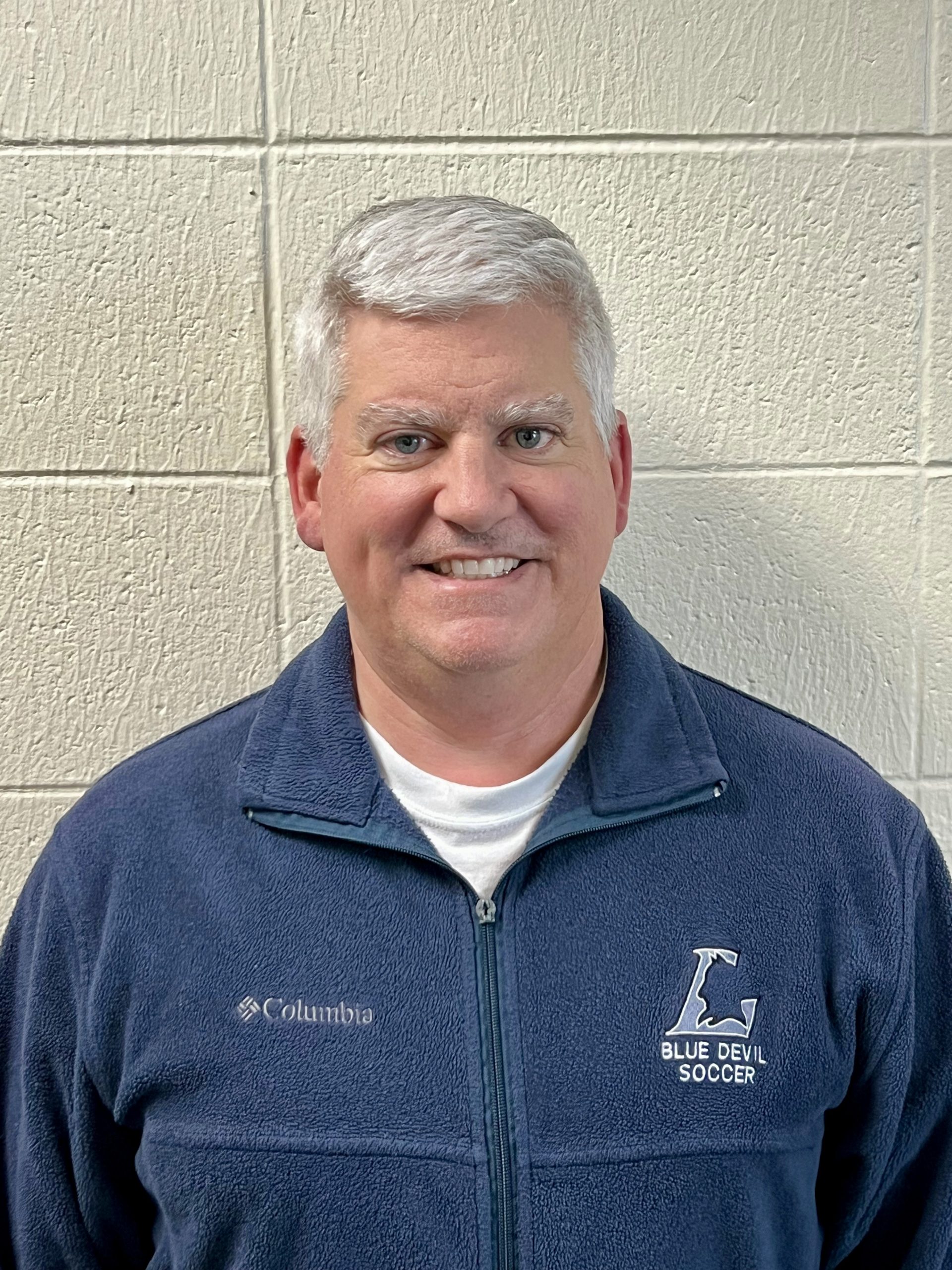 Grant Lembcke ‘94 | High School Counselor, Lodi
“The biggest challenge in my career as a school counselor is building relationships with people who have different personalities, life experiences, outlooks, and attitudes. Mutual trust is essential to being able to help someone, but it is not necessarily easy to develop within a limited amount of time. Students and I know each other for four years, at most, before they leave high school. The sooner that I can understand where they are and meet them there, the quicker we can establish a relationship and attempt to help them. A psychology degree has helped me develop insight and understanding as to who someone may be and why they may be that way. It has taught me to look beyond first impressions and what I see on people’s faces or hear in their voices.”
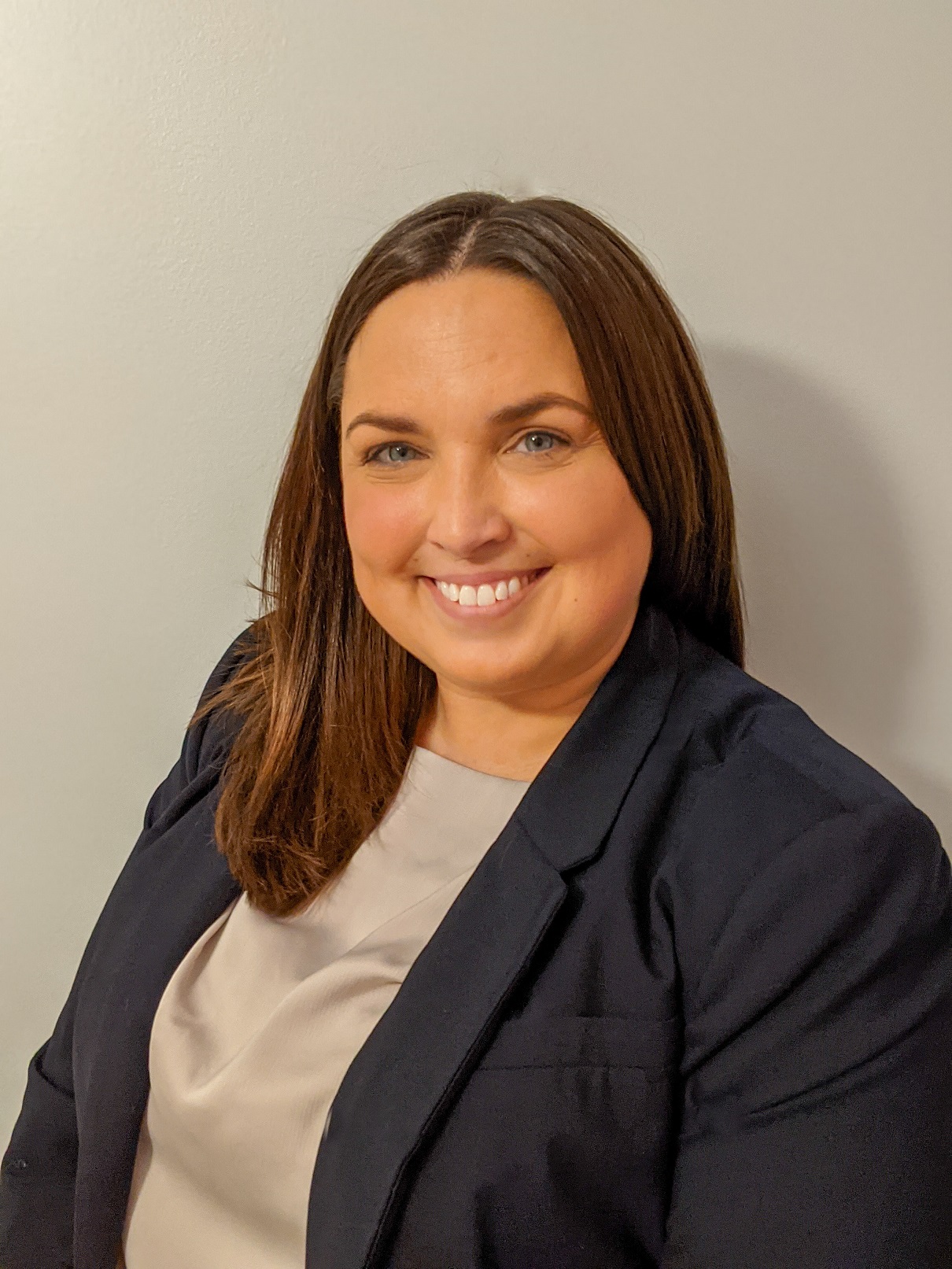 Elizabeth Rohl ‘04 | Circuit Court Judge, River Falls
“In my opinion one of the purposes of the criminal justice system is finding an intervention that prevents the person from committing future offenses. The needed intervention might be different for every person—rehabilitation, punishment, etc. Having some education in psychology-how people think, what motivates them, what prevents them from acting, how people develop their morality—is all useful in trying to connect with the individual in front of you. Studying psychology taught me to look beyond behavior and think about cognitive, social, and biological factors that influence people.
“One topic from my undergraduate courses that stays with me is the psychology of juries—the subtle things that the jury is assessing even if they don’t realize it. It made me very aware of how I carry myself and speak in the presence of the jury and how that may affect the outcome. That has changed a bit in moving from an attorney to a judge, but I am still aware of what the jury sees in the courtroom.”
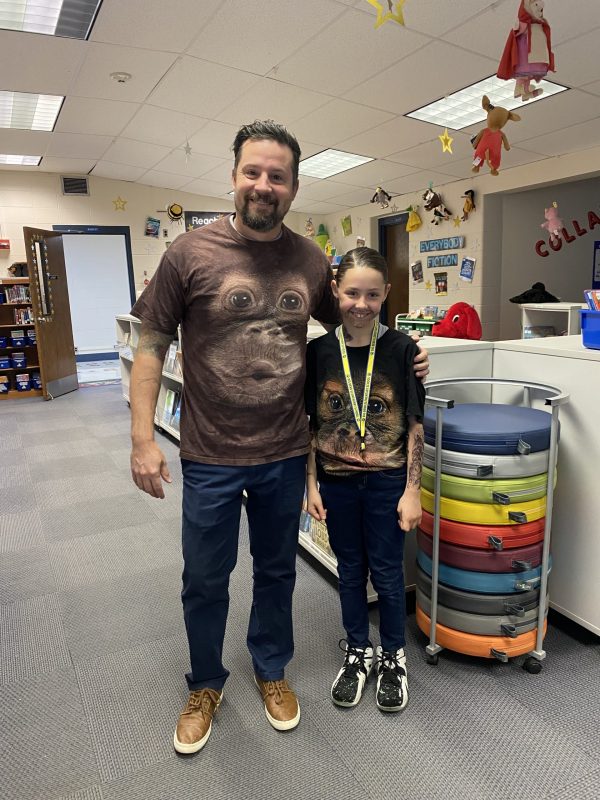 Greg Burton ‘99 | Elementary School Principal, Burlington
“My career path led me into the public school system versus private practice or a more traditional psych route. I have always believed and supported public education and considered it an equalizer where it does not matter where you come from but you get the best opportunity for learning. I had many years in different settings as a school psych which then led me to leadership as a principal for many more years. Even without ‘practicing’ psychology, it is always there when navigating the needs of people and working to bring that strong educational experience to our students.”
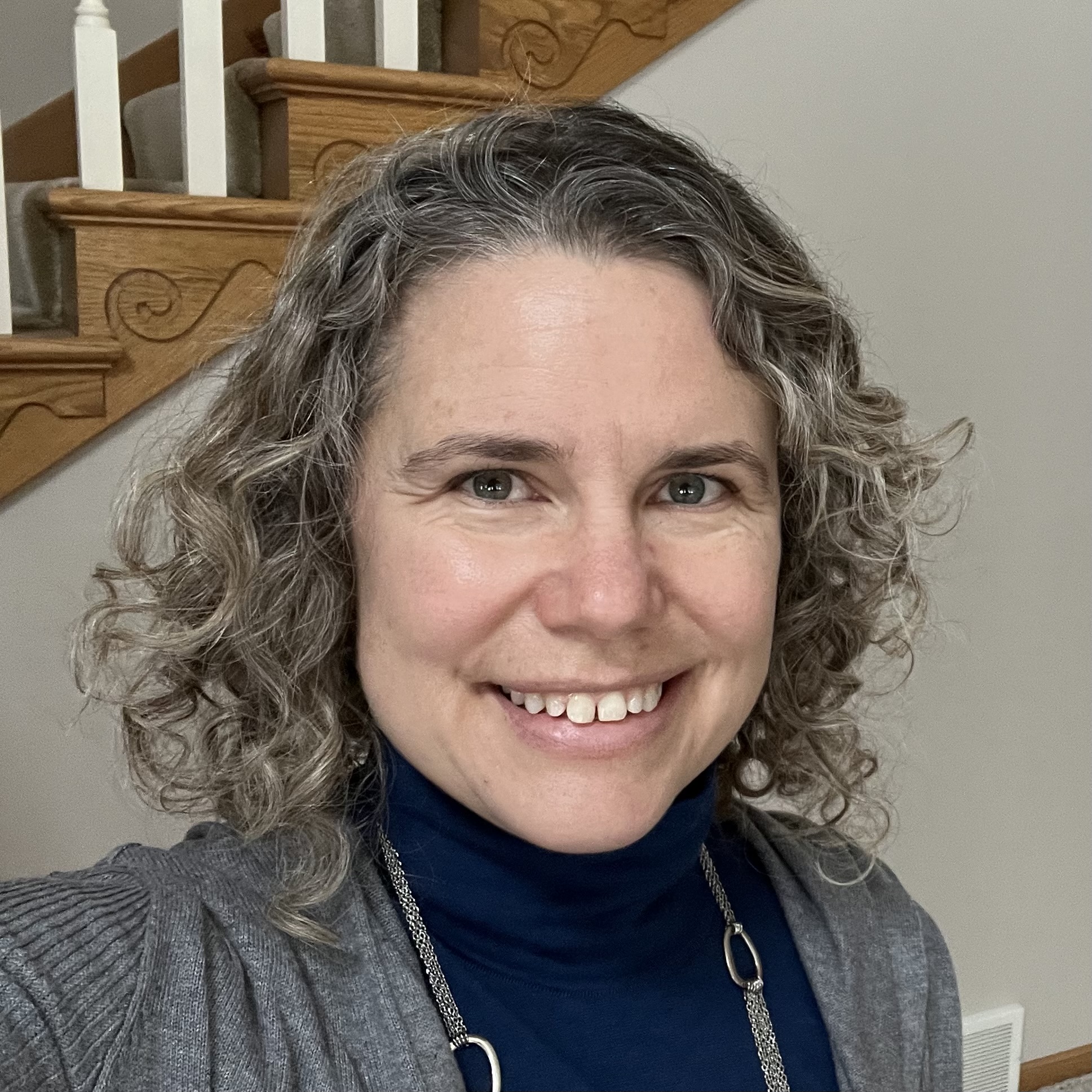 Rebecca Pick ‘97 | Senior Clinical Data Manager, Eau Claire
“My degree in psychology has been the foundation for my career. Because I was able to take classes geared towards my focus in Behavioral Neuroscience, it helped lay the foundation for my future studies. I also learned a great deal from Experimental Psychology and Statistics. Since I went into research, the rigorous coursework really drilled good experimental design into me for life!”
Share your career experiences with us! Fill out an Alumni Profile, join us for the Psychology Pathways dinner this fall, participate in an alumni panel – there are so many ways to connect! Learn more.